The permit is not paperwork for its own sake
An inspector has nothing to sell you, which is exactly what makes their signature worth something.
September 7, 2026 · 3 min read
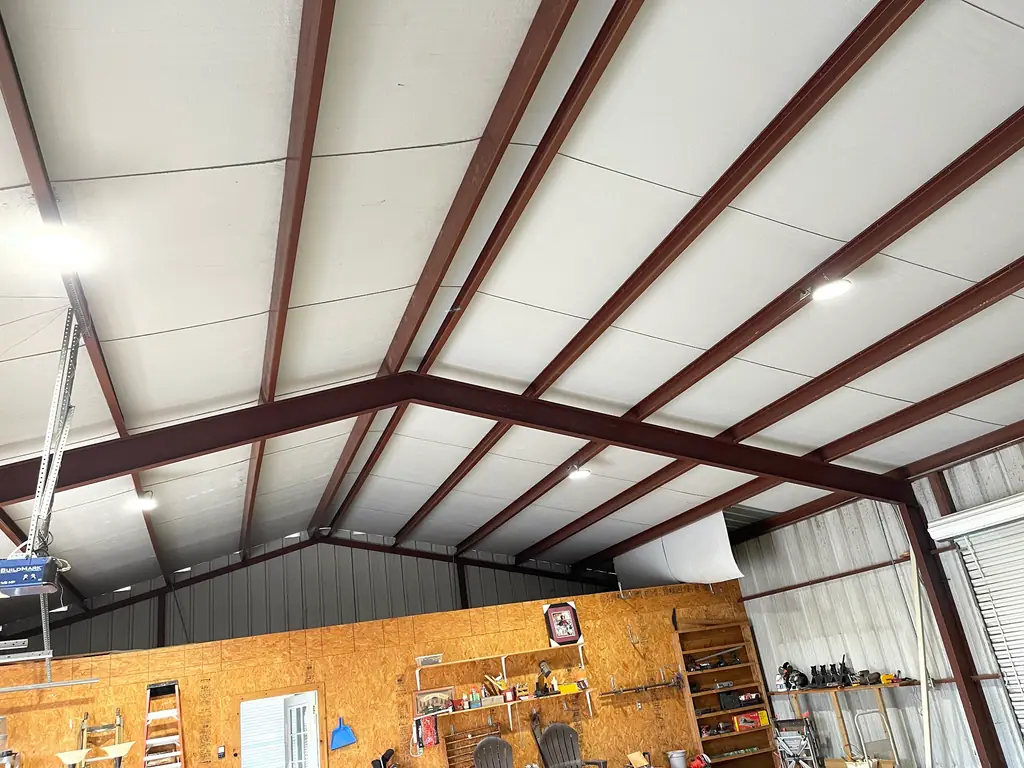
Permits have a reputation as friction. Something between you and the work getting done, invented by somebody in an office. It is an understandable view and it misses what the sign-off is actually for.
Who the inspection is really for
When an electrician tells you a job was done properly, they are describing their own work. They may be completely right. They are also not a neutral party, and there is no version of that conversation where they are.
An inspector is neutral. They have no relationship with the job, nothing to sell you, and no stake in whether you are pleased. When they sign it off, that is the only confirmation in the whole process that comes from somebody with nothing to gain from your satisfaction.
That is worth more than it usually gets credit for, particularly on work you cannot see once it is finished, which is most electrical work.
What it protects, practically
- A record that the work was inspected, which matters if you sell the property
- An independent check on work that will be behind a wall for decades
- A clear line between what was done properly and what a previous owner did informally
- Protection against the specific failure of a job that looks finished and is not
The third one is worth dwelling on. Around here, a lot of properties carry undocumented modifications by previous owners and previous trades. Every job that goes through inspection is one part of the house that has a clean, verifiable history attached to it. Over time that is genuinely valuable.
Why we file it rather than hand you a form
You should not have to chase paperwork on your own electrical work. That is the whole position, and it is not complicated.
CC Electric files the permits and manages the inspection process from application through to final approval. That means knowing which authority applies, what has to be submitted, when the inspection has to be scheduled relative to the work, and being there for it.
Handing a homeowner a form and a phone number is technically an option. It is also how a job ends up finished but not signed off, which is a worse outcome than it sounds like because it only ever surfaces years later at the least convenient moment.
On commercial work, it is schedule protection
For a tenant buildout or a new commercial shell, the permit is not a formality at the end. It sits inside a sequence that involves several trades and fixed inspection points.
A permit filed late is a trade starting late, and on a project with an opening date already announced, that cost lands somewhere. Handling it in house is partly a courtesy and mostly programme management.
What the process looks like from your side
Mostly it should look like very little. The application goes in. The work happens. At the points where an inspection is required, it gets scheduled and attended. At the end there is a final approval.
The part worth knowing is that inspections sometimes require work to be left accessible until they have happened. If something is going to stay open longer than you expected, that is usually why, and it is worth asking rather than assuming a delay.
It is also why a job occasionally pauses at a point that looks arbitrary from the outside. Certain things have to be seen before they are covered, and covering them first turns a ten minute inspection into opening the work back up. A contractor working to that sequence is not being slow, they are avoiding doing the same job twice.
The honest caveat
What requires a permit, and which authority handles it, depends on the work and on where the property is. This is not the page to take a definitive answer from, and anyone giving you one without knowing the specifics of your job is guessing.
What we can say is that it gets established properly as part of scoping the job, before work starts, rather than being discovered afterwards.
Ask about it
It is a reasonable question to put to any contractor: who pulls the permit, who attends the inspection, and what does the final sign-off look like. The answer tells you a fair amount about how the rest of the job is likely to go.
CC Electric is licensed as TECL #31567 and works across Caldwell, Bryan, College Station and the wider Brazos Valley. The office is open Monday to Friday, 8:00 AM to 4:30 PM, with emergency calls taken outside those hours.
CC Electric, LLC — (979) 406-5483
Call (979) 406-5483More articles
The signs your electrical panel has run out of road
Most panels do not fail dramatically. They just quietly stop being big enough for the house they are in.
Why we look before we give you a number
The estimate everybody wants over the phone is the one most likely to change later.